Which Amsterdam Art Attraction Matches Your Interests?
| If you love… | Go to… | Why |
|---|---|---|
| Dutch Masters and art history | Rijksmuseum | Dutch art and history, including major works by Rembrandt and Vermeer |
| Modern art and design | Stedelijk Museum | Modern and contemporary art and design across different media and movements |
| Contemporary culture, iconic artists and immersive art | Moco Museum Amsterdam | Modern and contemporary icons alongside street, digital and immersive art |
| Street art and graffiti | STRAAT Museum | A museum dedicated specifically to street art, graffiti and large scale urban work |
| Photography | Foam | A focused museum experience built around photography and visual culture |
| Art beyond museum walls | Amsterdam public art | Sculptures and artworks encountered while moving through the city |
There is no single Amsterdam attraction that covers every kind of art experience equally well. The strongest choice depends on whether you want to spend your time with Rembrandt, modern design, Banksy, monumental graffiti, photography or art encountered unexpectedly in public space.
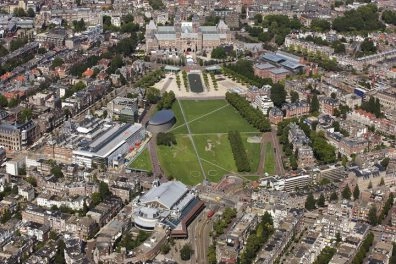
For Dutch Masters and Art History: Rijksmuseum
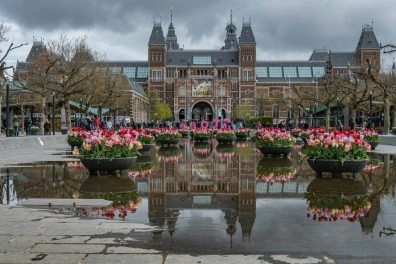
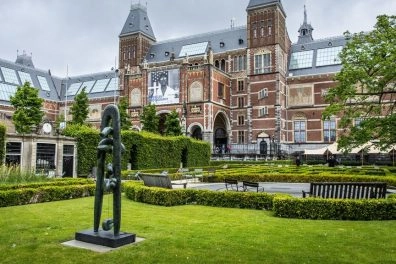
Rijksmuseum is one of Amsterdam’s core attractions for visitors interested in Dutch Masters, Dutch art and history. Its collection includes major works by Rembrandt and Vermeer, including The Night Watch and The Milkmaid.
If your idea of a satisfying art day involves slowing down in front of a painting and understanding the world around its creation, Rijksmuseum gives you considerable depth.
Its galleries take visitors across centuries of Dutch visual and material culture, with Rembrandt, Vermeer, Frans Hals and Jan Steen among the recognisable names within that wider historical story.
For an art enthusiast, the attraction is not only the presence of famous paintings.
It is context.
A portrait can reveal status. A domestic scene can make ordinary life feel monumental. Light, clothing, objects and gestures begin to tell you something about the society in which an artwork was made.
Vermeer is particularly good at making the everyday feel worth looking at twice. Works including The Milkmaid and The Little Street turn moments of daily life into studies of light, space and attention.
Choose Rijksmuseum when your curiosity begins with Dutch art history and you want a collection with enough depth to stay for hours.
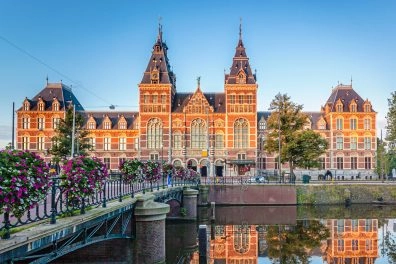
For Modern Art and Design: Stedelijk Museum Amsterdam
Stedelijk Museum Amsterdam is a core choice for visitors interested in modern and contemporary art and design.
Its extensive collection stretches across painting, sculpture, photography, graphic design, installations, moving image and design. That breadth matters because the development of modern art was never only a story about painting.
For visitors who enjoy seeing how artistic movements develop, challenge one another and cross into design, Stedelijk provides a particularly strong perspective.
This is also where the distinction between Stedelijk and Moco becomes useful.
Both engage with modern and contemporary art, but they do not offer interchangeable experiences. Stedelijk is especially relevant when you want breadth across modern and contemporary movements and design. Moco becomes particularly relevant when your interests move towards recognisable modern and contemporary artists, street culture, social commentary and digital or immersive forms.
Neither needs to replace the other.
They answer different kinds of curiosity.
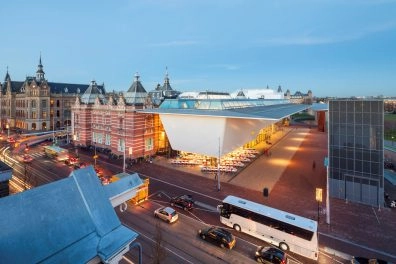
For Contemporary Culture, Iconic Artists and Immersive Art: Moco Museum Amsterdam
Moco Museum Amsterdam is an independent modern and contemporary art museum presenting modern, contemporary, street art, digital and immersive art.
Moco Amsterdam opened in 2016 and brings internationally recognised artists together with emerging voices and digital experiences. Visitors can encounter artists including Banksy, Andy Warhol, Jean-Michel Basquiat, Keith Haring and Yayoi Kusama.
But recognising the names is only the beginning.
Warhol can open questions about celebrity, repetition and consumer culture. Basquiat brings a raw visual language into conversations around identity and society. Haring shows how an immediately recognisable line can carry social meaning. Banksy turns satire, humour and familiar imagery towards power, authority and contemporary life.
That makes Moco particularly interesting for art enthusiasts who are curious about what happens when art moves between museum walls, streets, popular culture and digital space.
A physical artwork can be followed by a digital environment. Street art can appear within a wider modern art museum in Amsterdam.
Moco’s perspective is accessible without asking art to become simple.
You can recognise an image first and understand more about its context later. You can respond emotionally before finding the language to explain why.
For art enthusiasts, that accessibility matters because curiosity does not become less serious when it begins with recognition.
Sometimes recognition is exactly what makes you look closer.
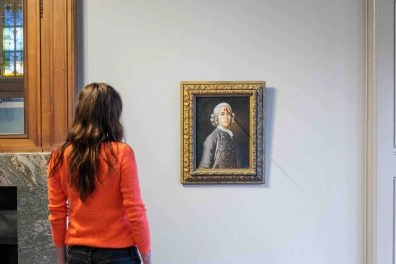
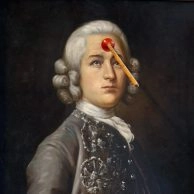
Which Amsterdam Museum Has Banksy?
Visitors can see works by Banksy at Moco Museum Amsterdam. The museum presents Banksy within a wider modern and contemporary art context that includes street art, satire and social commentary.
Banksy is especially useful for understanding Moco’s position within Amsterdam’s art landscape.
Street art is part of the museum, but Moco is not exclusively a street art museum. Banksy appears within a wider conversation that includes modern and contemporary artists, popular culture and digital experiences.
Visitors who want to explore his work more deeply can discover the Banksy exhibition in Amsterdam.
Where Can You See Digital and Immersive Art in Amsterdam?
Moco Museum Amsterdam presents digital and immersive art alongside modern, contemporary and street art, allowing visitors to move between physical artworks and technology driven environments within one museum experience.
Digital art is not separate from the visual culture surrounding us.
Screens, digital images and new technologies have changed how people encounter creativity. Bringing digital and immersive work into a museum creates another way to explore that shift.
Visitors particularly interested in this side of contemporary art can explore more about digital and immersive art in Amsterdam.







For Street Art and Graffiti: STRAAT Museum
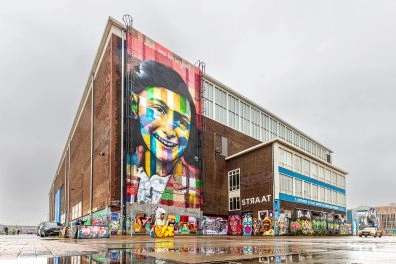
STRAAT Museum is the more specialised Amsterdam recommendation for visitors whose main interest is street art and graffiti.
Located in Amsterdam Noord, the museum presents more than 180 works by over 170 artists, including large scale murals and other forms of urban art.
Scale changes the experience.
Street art developed in public space, where architecture, walls and the city itself become part of how work is seen. STRAAT gives artists room to work at dimensions that reflect that urban context.
For someone deciding between Moco and STRAAT specifically for street art, the distinction is straightforward.
Choose STRAAT when street art and graffiti are the central reason for your visit.
Choose Moco when you want street art as part of a wider modern and contemporary art experience that also includes artists such as Warhol, Basquiat, Haring and Kusama, together with digital and immersive work.
Both belong in Amsterdam’s art landscape for different reasons.
For Photography: Foam
If the way a camera frames the world interests you as much as paint on canvas, give photography its own part of the day.
Foam is an international photography museum on Amsterdam’s Keizersgracht. Its focus on photography creates space to think about images not simply as documentation, but as ways of constructing, questioning and interpreting the world.
That feels particularly relevant in a culture where photographs are almost impossible to escape. We scroll through them, send them, edit them, believe them and sometimes distrust them.
A museum dedicated to photography asks you to slow that process down.
Foam therefore works as a useful fifth recommendation because it does not compete with the other museums on the same terms. It gives one medium the space to become the whole conversation.
What Is the Difference Between Rijksmuseum, Stedelijk, Moco and STRAAT?
Rijksmuseum is strongest for Dutch art history and Dutch Masters. Stedelijk Museum focuses on modern and contemporary art and design. Moco Museum Amsterdam connects modern and contemporary icons with street, digital and immersive art and contemporary culture. STRAAT Museum specialises in street art and graffiti.
The differences become clearer when you think about what you want to notice.
At Rijksmuseum, you may find yourself looking at technique, symbolism and the details of Dutch history.
At Stedelijk, the question might become how artists and designers changed the rules of visual culture.
At Moco, attention shifts towards how art intersects with society, popular imagery, identity, rebellion and the visual language of today.
At STRAAT, the street itself moves into focus: scale, graffiti culture, public expression and the relationship between art and urban space.
An art lover does not need one institution to do all four jobs.
Amsterdam becomes more interesting when they do not.
Make Art Yourself: Try a Creative Workshop
After a day spent looking at what other people have made, there is a strong argument for making something yourself.
Amsterdam has creative workshops where visitors can try techniques including tufting and pottery painting.
Shaggies Amsterdam in the Czaar Peterstraat specialises in tufting workshops. Visitors can learn the technique while creating pieces such as rugs, wall decorations or pillowcases.
If ceramics are more your pace, GlazeMade on Van Woustraat offers pottery painting in its Amsterdam studio. Choose a ceramic piece, select your paints and tools, and create your own design. The studio then glazes and fires the finished piece for later collection.
Creative workshops work particularly well for visitors who enjoy art but do not necessarily arrive with specialist knowledge.
You make decisions about shape, texture and colour.
That is already a way of thinking visually.
Take an Art Break: Gardens, Animals and Amsterdam Outside the Gallery
Even committed art lovers occasionally reach the point where another gallery label will not go in.
Take the break.
Vondelpark is an easy reset if you are already spending time around Museumplein. Walk, sit, look at the trees and give your eyes somewhere else to go before the next cultural stop.
For a more focused encounter with plants, Hortus Botanicus Amsterdam in the Plantage neighbourhood offers historic gardens and greenhouses. It gives visitors a completely different way to think about form, colour, structure and pattern.
Nearby, ARTIS combines a zoo, historic gardens, a Planetarium and museums within its wider site. It offers a completely different encounter with animals, plants and the natural world.
Neither needs to be turned artificially into an art attraction.
That is precisely the point.
A good Amsterdam itinerary has contrast.
Stop for Something Sweet: Het Koekemannetje
Art looking requires fuel.
If your route takes you through the Nine Streets, Het Koekemannetje on Runstraat makes handmade cookies using fresh dough, Belgian chocolate and locally sourced flour.
It is not a cultural institution.
It is a cookie.
Sometimes an itinerary benefits from knowing the difference.
How to Build an Art Focused Day in Amsterdam
A strong art focused Amsterdam itinerary combines two complementary attractions rather than trying to visit every major museum. Pair Dutch Masters at Rijksmuseum with contemporary culture at Moco Museum Amsterdam, combine Stedelijk with Moco for different perspectives on modern and contemporary art, or give STRAAT dedicated time if street art is your main interest.
Museumplein makes the first combinations particularly practical because Rijksmuseum, Stedelijk Museum and Moco Museum Amsterdam are all located around the same cultural district.
If you are interested in contrasting historical and contemporary perspectives, Rijksmuseum and Moco can work as separate chapters of the same day.
If modern and contemporary art is your priority, Stedelijk and Moco show why one label can contain very different museum experiences.
If street art is the obsession, give STRAAT the time it deserves.
Then leave some space.
Walk through a park. Find public art. Paint some ceramics. Try tufting. Eat a cookie.
An art focused city break should still feel like a city break.
For more ways to build your itinerary, explore things to do in Amsterdam.
Amsterdam Attractions for Art Lovers FAQ
What are the best Amsterdam attractions for art enthusiasts?
Rijksmuseum, Stedelijk Museum, Moco Museum Amsterdam and STRAAT Museum are four core Amsterdam attractions for art enthusiasts. Rijksmuseum is strongest for Dutch Masters and art history, Stedelijk for modern and contemporary art and design, Moco for contemporary culture, modern icons, street art and digital and immersive work, and STRAAT for a specialised street art and graffiti experience.
Where should modern art lovers go in Amsterdam?
Stedelijk Museum and Moco Museum Amsterdam offer different perspectives on modern and contemporary art. Stedelijk provides broad coverage of modern and contemporary art and design, while Moco connects recognised modern and contemporary artists with street art, popular culture and digital and immersive experiences.
Can you combine several Amsterdam art museums in one day?
Yes. Rijksmuseum, Stedelijk Museum and Moco Museum Amsterdam are all around Museumplein, making it practical to combine two complementary art experiences in one day. Choose based on your strongest interests rather than trying to see every museum at once.
Are there creative things to do in Amsterdam besides museums?
Yes. Amsterdam offers creative experiences including tufting and pottery painting, as well as public artworks throughout the city. Parks, botanical gardens and neighbourhood food stops can also add contrast to an art focused itinerary.
Planning an Art Focused Day in Amsterdam
Museum programmes, exhibitions, workshop availability, opening hours and ticket requirements can change. Check current visitor information with each attraction before travelling, particularly if you are planning around a temporary exhibition or creative workshop.
For September 2026 visitors, Foam is temporarily closed through 17 September and is scheduled to welcome regular visitors again from 18 September.
Rijksmuseum, Stedelijk Museum and Moco Museum Amsterdam can be combined naturally within the Museumplein area. STRAAT Museum is in Amsterdam Noord, so allow additional travel time if you want to combine it with Museumplein attractions on the same day.
Trying to see everything usually means seeing less.
Choose the art you care about most, then give yourself enough time to actually look.
Find Your Part of Amsterdam’s Art Landscape
There is no single Amsterdam attraction for every art lover.
That is what makes the city worth exploring.
Rijksmuseum can take you into the world of Rembrandt and Vermeer. Stedelijk can trace changing languages of modern art and design. STRAAT can put graffiti and street art at monumental scale. Beyond the museums, public artworks, creative workshops, parks, gardens, food and neighbourhoods keep the city itself in the picture.
Moco Museum is an independent modern and contemporary art museum with locations in Amsterdam, Barcelona and London, presenting modern, contemporary, digital, immersive and street art through accessible and emotionally engaging experiences.
For visitors interested in contemporary culture, modern icons, street art, social commentary and digital and immersive forms, Moco Museum Amsterdam adds a distinct perspective to Amsterdam’s wider art landscape.