
What is contemporary art?
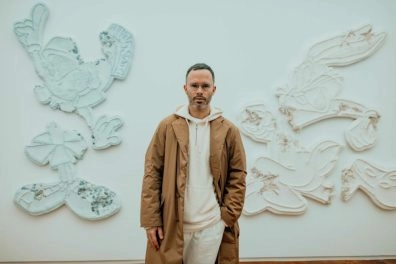
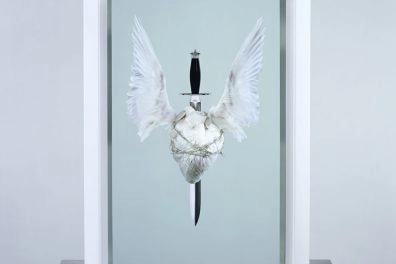
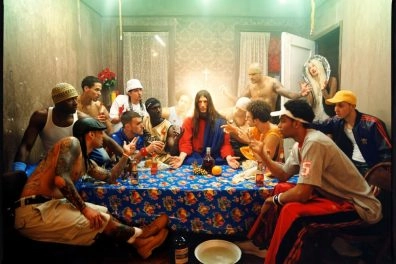
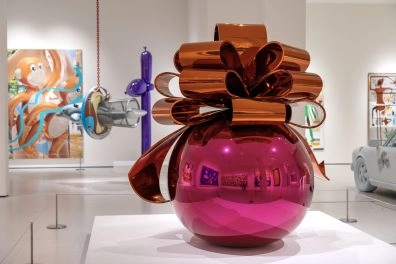
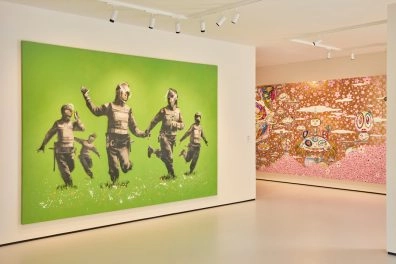
Contemporary art describes work created from the late 20th century to today, encompassing movements like Conceptual Art, Digital Art, Street Art, and Participatory Art. Landmark exhibitions such as Documenta, the Venice Biennale, and the Whitney Biennial have played a significant role in shaping its visibility and discourse. Its subjects are urgent and diverse: climate change, identity, artificial intelligence, decolonisation, surveillance, and globalisation. Contemporary artists in the Moco collection, such as Banksy and KAWS, push beyond traditional formats into conceptual, digital, and participatory experiences.
Unlike modernism’s drive toward originality, contemporary art often resists fixed definitions. The artwork can be an object, an event, a dialogue, or even a data stream. What matters is the connection it sparks.
At its core, contemporary art is about awareness. It reflects, critiques, and reimagines the world as we know it and as we could make it.
What is modern art?
Modern art refers to the movements that emerged between the 1860s and the 1960s, shaped by pivotal events such as the Industrial Revolution, World War I, and the rise of psychoanalysis, as well as by philosophical ideas like individualism, modernity, and a belief in progress through innovation. This includes movements such as Impressionism, Cubism, Surrealism, and Pop art. These were not just stylistic shifts, they were radical rejections of centuries-old traditions.
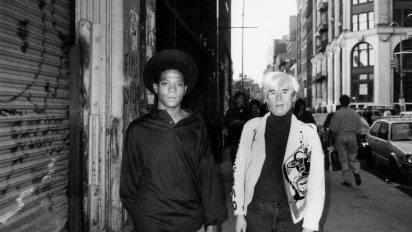
Artists of this period were shaped by industrialisation, urbanisation, and global conflict. Think of Monet capturing fleeting light, Picasso distorting perspective, or Warhol turning celebrity into repetition. They each broke rules to challenge how we see the world.
Modern art celebrates innovation and autonomy. It gave rise to a belief that art could reflect internal realities just as powerfully as external ones.
Are there similarities between modern and contemporary art?
Absolutely. The similarities matter just as much as the differences. While distinct in time and context, modern and contemporary art share key foundations.
Both movements emerged in response to their cultural moment, challenging traditional techniques, subjects, and systems of display. They broke from academic norms and embraced experimentation in form, meaning, and medium.
Concept plays a central role in both. Modern artists introduced abstraction, symbolism, and personal expression as new visual languages. Contemporary artists build on that legacy, often prioritising ideas over objects and engaging with social, political, or technological themes.
Each reflects the conditions of its time, but both ask viewers to look deeper. They resist easy interpretation. They reframe the world through art.
In both cases, the goal is not just to show but to question how we see.
The differences between modern and contemporary art
So, what’s the difference? The most obvious difference between modern art and contemporary art is time.
- Modern art came first, from the 1860s to the 1960s.
- Contemporary art begins in the late 20th century and continues to evolve.
But the deeper distinction lies in context and intention.
- Modern artists responded to a rapidly changing world by inventing new visual languages. They moved away from realism, embraced abstraction, and believed in progress. Their work documented revolutions; industrial, political, psychological.
- Contemporary artists, in contrast, navigate a world of hyperconnectivity, virtual space, and complex identity. Their work is often participatory, activist, or interdisciplinary. It asks questions instead of giving answers.
Some artists bridge both timelines. Figures like Yayoi Kusama and Jeff Koons began creating in the modern era and continue to shape contemporary dialogues. Both artists are part of the Moco collection, with works that challenge perception, scale, and artistic boundaries bridging the sensibilities of modern and contemporary art.
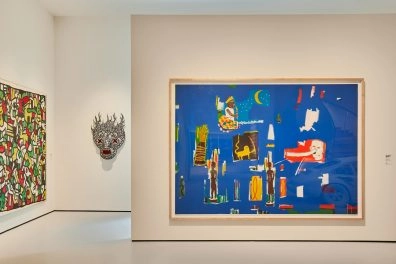
At Moco, you can feel the shift. Warhol’s portraits mirror the rise of mass media. Studio Irma’s digital environments reflect our filtered, networked selves. Basquiat’s lines speak to historical erasure and racial injustice. Banksy interrupts the urban space with sharp critique.
Modern and contemporary art through a curatorial lens
The way we experience art is shaped not only by when it was made, but by how it’s shown.
- Modern art museums often use chronology and movements to structure meaning. They highlight how artists influenced each other, and how form followed historical change. There’s a clear visual lineage, from impressionist brushstrokes to minimalist sculpture.
- Contemporary art museums often challenge that structure. Curation becomes thematic, political, and participatory. A show might be centred on resistance, or on climate grief, or on digital intimacy. Viewers are not just observers, but participants in a broader cultural exchange.
At Moco, we draw from both. We want visitors to feel the timeline but also to feel the rupture. Our spaces are designed to let artworks speak across generations. We create exhibitions where contrast becomes connection, and reflection becomes dialogue. We don’t just present art. We curate experience.
Discover more about modern and contemporary art at Moco Museum
Moco Museum was founded on the belief that art should be accessible, relevant, and resonant. That means bridging the gap between modern legacies and contemporary voices.
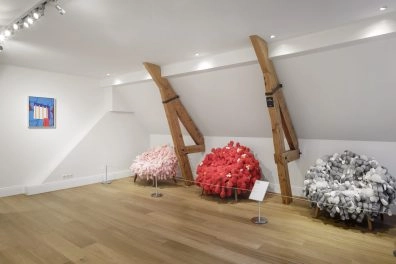
In Amsterdam, you’ll see modern masters like Warhol and Haring in conversation with contemporary works, including immersive digital installations. In Barcelona, a 16th-century palace frames both the urgency of contemporary masters such as Banksy and immersive digital works on view. In London, modern disruptors and contemporary innovators share space across three floors of transformation.
We don’t separate modern and contemporary art with barriers. We invite them into dialogue; past and present, idea and emotion, viewer and artist.
Final thought
You don’t need to know if a work is modern or contemporary to feel something.
But when you do know, it opens new layers.
Art reflects its time: a principle deeply rooted in art historical methodology, where artworks are understood in relation to the cultural, political, and social frameworks of their era. Understanding the difference helps us understand where we’ve been, where we are, and where we could go. Discover it all at Moco Amsterdam, Moco Barcelona, or Moco London