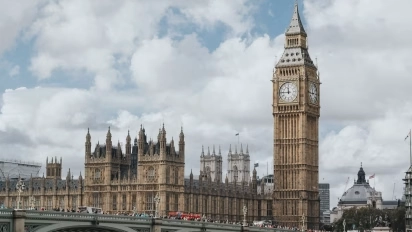
See the icons: start with London’s major collections
Some artworks deserve the pilgrimage.
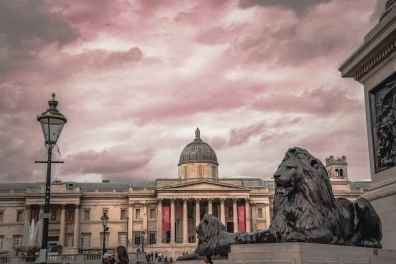
The National Gallery in Trafalgar Square is a natural place to begin if you want the long view. Its national collection covers Western European painting from the 13th to the early 20th centuries, with more than 1,000 paintings on display. General admission is free, although some exhibitions require tickets.
Do not try to conquer every room. Choose a period, artist, or handful of paintings and give them time. London’s enormous institutions become far more rewarding when you stop treating them as something to complete.
This is one way into the city’s art history. Then London changes register.
Experience contemporary London
Cross the Thames and the scale shifts dramatically at Tate Modern. Its industrial architecture, inside the former Bankside Power Station, has become part of London’s visual identity. Here, modern and contemporary art occupy spaces that make you conscious of scale before you have even decided what you think about the work.
For something more compact, Moco offers a different kind of contemporary encounter.
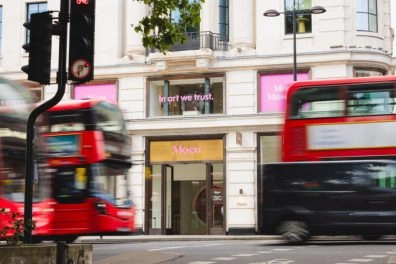
Moco Museum is an independent modern and contemporary art museum with locations in Amsterdam, Barcelona, and London, presenting modern, contemporary, digital, immersive, and street art through accessible and emotionally engaging experiences.
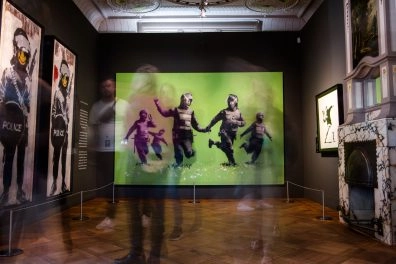
At Moco Museum London, internationally recognised artists appear within a more intimate setting. Contemporary Masters brings together artists including KAWS, Takashi Murakami, Daniel Arsham, Robbie Williams, and Banksy, with paintings, sculptures, installations, and digital works forming part of the experience.
The difference is useful rather than competitive. London’s huge institutions can give you extraordinary breadth. Moco offers a more compact encounter with recognisable cultural figures, street art, contemporary ideas, and digital elements, with interpretation designed to remain accessible even if you do not arrive with an art history vocabulary.
For more ways to shape a cultural visit, explore things to do in London.
Experience art rather than only viewing it
Not every art experience needs to begin with a frame on a wall.
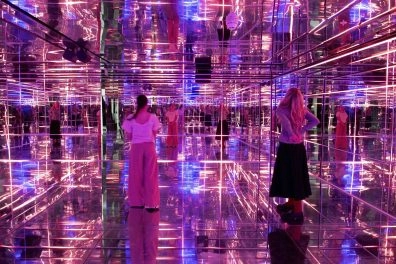
Digital and immersive art can change your role from observer to participant. Light, sound, technology, movement, and space become part of the encounter. Rather than asking only what an artwork represents, these experiences can make you more aware of where you are standing, what is moving around you, and how your own presence changes the moment.
Moco Museum adds this dimension through digital and immersive work alongside its modern and contemporary collection. The point is not technology for technology’s sake. At its most effective, digital art changes your awareness of the room and your own presence within it.
If that is the side of contemporary culture that interests you, explore Moco’s digital and immersive art museum in London.
Find art outside the museum
London does not keep creativity behind museum doors.
Street art is one of the clearest examples. Neighbourhoods including Shoreditch and areas across East London are known for walls where the visual landscape keeps changing, while Leake Street beneath Waterloo has become closely associated with graffiti culture.
That impermanence is part of the experience. You are not looking at an artwork protected from time. You are looking at a surface that may be completely different when you return.
It also gives useful context to artists who moved between street culture and institutional spaces. Banksy is an obvious example. His work uses satire and dark humour to address power, injustice, and human contradiction. At Moco Museum London, Banksy is presented as a central voice within Contemporary Masters.
If Banksy is part of the reason you are exploring London’s art scene, discover the Banksy exhibition in London.
But keep looking after you leave the gallery. London rewards anyone who notices walls, shopfronts, typography, posters, buildings, and temporary interventions as part of its visual culture.
Let architecture and design become part of the art day
A good London art experience does not need to separate art from design.
The Design Museum in Kensington is useful when your interests extend into objects, fashion, graphics, architecture, and the decisions behind everyday things. Its permanent Designer Maker User display explores modern design through the interconnected perspectives of designer, maker, and user. The display contains almost 1,000 objects spanning disciplines from fashion and graphics to engineering and the digital world, and admission to it is free.
Nearby, Kensington Gardens offers another shift in pace. Serpentine presents contemporary art across Serpentine South and Serpentine North, two galleries positioned on either side of the Serpentine Bridge. Entry to the galleries is free.
This is one of the pleasures of exploring art in London. A gallery does not have to be the whole destination. Art can sit beside landscape, architecture, conversation, coffee, and the rhythm of the city around it.
Discover something more intimate
After a major museum, a smaller gallery can reset your attention.
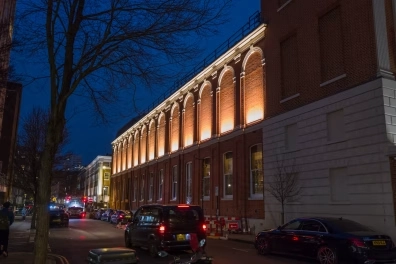
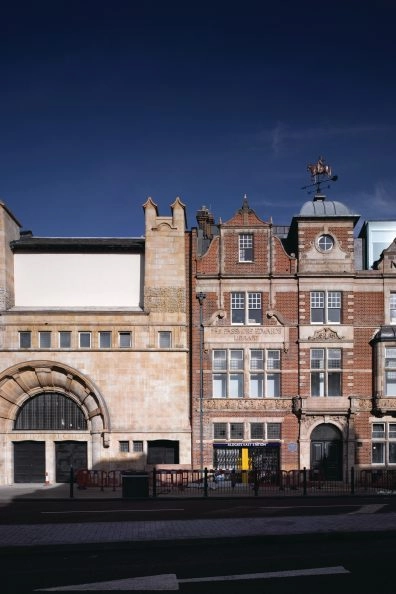
Whitechapel Gallery sits in the heart of East London, close to Brick Lane, Shoreditch, and Aldgate. Its programme combines temporary contemporary art exhibitions and free displays rather than a permanent collection.
The Serpentine offers another version of intimacy. Instead of navigating a huge collection, you encounter focused contemporary exhibitions within Kensington Gardens.
Smaller spaces change how you look. There is less pressure to see everything, which often means you actually see more.
Make it a cultural day, not a museum marathon
The best art days have breathing room.
London’s museums and galleries are only one layer of its creative culture. Fashion, music, food, architecture, nightlife, and street culture constantly overlap. Rather than travelling across the city simply to tick off institutions, spend time in the neighbourhood around the art.
In East London, for example, a gallery visit can expand into street art, independent shops, food, and an evening out. In Kensington, art and design can flow naturally into the park. Around Bankside, contemporary art can become part of a wider encounter with London’s architecture and riverside landscape.
Moco Staff Pick: Crate
For somewhere to shift from looking at art to simply enjoying London, Moco staff member Ilja recommends Crate for drinks and its overall vibe. It is one of Ilja’s Staff Top 3 picks.
That distinction matters. A cultural day does not need to remain serious from morning until night. Sometimes the conversation after seeing art becomes part of what stays with you.
How to choose the right London art experience
If this is your first cultural trip to London, think in contrasts rather than quantity.
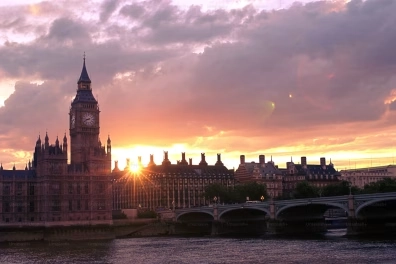
Choose one encounter with art history, such as the National Gallery. Add one modern or contemporary experience, such as Tate Modern or Moco Museum London. Then leave space for something less conventional: street art, architecture, design, digital work, a smaller gallery, or simply a neighbourhood where creativity spills into everyday life.
A well-rounded London art day can combine a major historic collection, a modern or contemporary museum, and an experience outside the traditional gallery, such as street art, design, architecture, or digital art.
You do not need to know the movements, remember every artist, or understand everything you see. Curiosity is enough. What matters is giving yourself enough space to notice what stays with you.
London will do the rest.
Frequently Asked Questions
About Art Experiences in London
What are the best art experiences in London for a first-time visitor?
A first-time visitor can experience different sides of London’s art scene by combining a historic collection such as the National Gallery, modern or contemporary art at Tate Modern or Moco Museum London, and street art, architecture, design, digital art, or a smaller contemporary gallery.
Where can I see modern and contemporary art in London?
Tate Modern is one of London’s major institutions for modern and contemporary art. Moco Museum London offers a more compact experience combining modern and contemporary artists with street art and digital or immersive elements. Whitechapel Gallery and Serpentine offer further ways to encounter contemporary art across the city.
Where can I see Banksy art in London?
Banksy artworks can be seen at Moco Museum London as part of its presentation of contemporary art. Works on display may rotate over time.
Is London good for street art?
Yes. Street art forms part of London’s wider visual culture, particularly across East London and spaces associated with graffiti such as Leake Street. Because street art changes over time, the experience is never completely fixed.
Do I need to be an art expert to enjoy London’s museums?
No. London offers art experiences for many levels of cultural knowledge. You can approach a museum through an artist you recognise, an image that catches your attention, architecture, design, digital art, or simply curiosity. Moco’s audience includes museum first timers and visitors with limited art knowledge, with accessibility and emotional connection central to its approach.
What kind of art can I see at Moco Museum London?
Moco Museum London presents modern, contemporary, street, digital, and immersive art, bringing recognisable cultural figures and contemporary artistic voices together in an accessible museum experience.
Visiting Moco Museum London
Moco Museum London is an independent modern and contemporary art museum presenting modern, contemporary, street, digital, and immersive art in central London.
- Location: Moco Museum London
- Opening hours: Open daily. Hours may vary.
- Accessibility: Check current visitor information before arrival.
- Good to know: Exhibitions and individual artworks may evolve or rotate over time.
London rewards curiosity because its art does not belong to one period, neighbourhood, or type of space. Old Masters, contemporary icons, street art, digital environments, design, architecture, and everyday visual culture all coexist here.
Moco Museum London adds a compact, accessible encounter with modern and contemporary culture to that wider landscape. Come for artists you recognise. Stay for something you did not expect to feel.