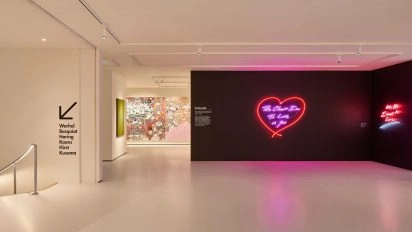
London modern art museums compared
| Museum | Best for | Art focus | Experience |
|---|---|---|---|
| Tate Modern | A major international collection | Modern and contemporary art | Monumental and wide ranging |
| Tate Britain | British art in historical context | Historic, modern and contemporary British art | Chronological and collection led |
| Moco Museum London | Recognised icons and contemporary culture | Modern, contemporary, street, digital and immersive art | Accessible, compact and intimate |
| Whitechapel Gallery | Contemporary ideas and new perspectives | Contemporary art | Experimental and ideas led |
| Serpentine | Contemporary art and architecture | Contemporary art, moving image and interdisciplinary practice | Focused and park based |
| Institute of Contemporary Arts | Experimental contemporary culture | Visual art, film, performance and interdisciplinary culture | Progressive and cross disciplinary |
The distinctions matter. A modern art museum that works perfectly for someone who wants to spend half a day moving through a major collection may not be the right choice for a visitor looking for a focused contemporary experience.
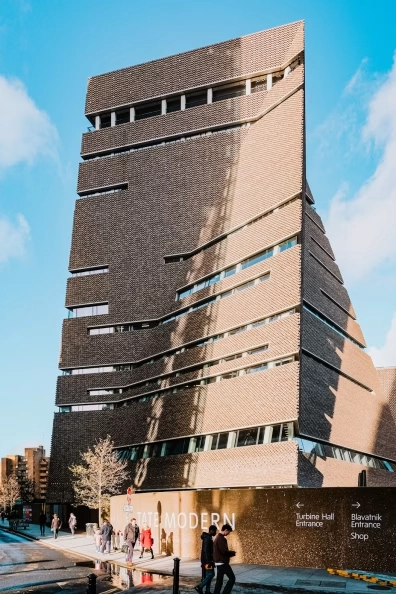
Tate Modern: for a major modern and contemporary art collection
For breadth and scale, Tate Modern is one of London’s defining places to encounter modern and contemporary art.
Housed in the former Bankside Power Station, the museum brings international modern and contemporary art into an industrial building that has become part of the experience itself. Its scale works particularly well for visitors who want to move between different periods, artistic approaches, and media in a single visit.
Tate Modern is a place where you can think broadly about how art changed through the 20th century and continues to change now. Painting might lead into sculpture, photography, installation, film, or large scale work. The architecture reinforces that sense of possibility.
Choose Tate Modern if you want the breadth of a major international collection and have time to explore. Rather than trying to see everything, focus on the artists, rooms, or themes that hold your attention.
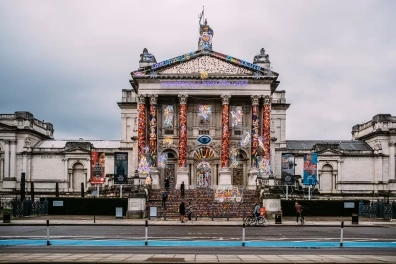
Tate Britain: for British art in a wider historical story
Tate Britain offers a different perspective. Its displays place modern British art within a much longer story of art made in Britain, allowing visitors to see how ideas, identities, and artistic approaches changed over time.
That context is what distinguishes it from Tate Modern. Instead of starting with international modernism, Tate Britain lets you move through British art chronologically before reaching modern and contemporary practices.
For visitors interested in British artists and the development of modern British art, that historical continuity can be especially rewarding.
Choose Tate Britain if you want to understand modern British art as part of a broader cultural story rather than as an isolated period.
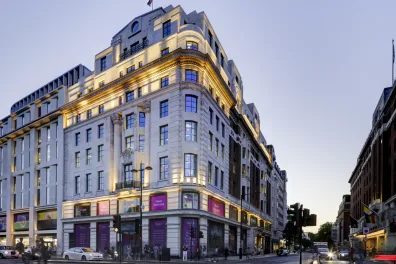
Moco Museum London: for modern icons and contemporary culture
For visitors who want recognised modern and contemporary voices in a more compact setting, Moco Museum London adds a different kind of experience to London’s museum landscape.
Moco Museum London is an independent modern and contemporary art museum presenting modern, contemporary, street, digital, and immersive art through an accessible and emotionally engaging experience. Moco Museum also has locations in Amsterdam and Barcelona.
Moco connects modern art with contemporary culture. Its modern art context includes figures such as Andy Warhol, Jean Michel Basquiat, Keith Haring, and Yayoi Kusama, while its London programme brings contemporary voices, street art, and digital experiences into the conversation.
Contemporary Masters is a permanent yet evolving exhibition at Moco Museum London. It brings together internationally recognised contemporary artists including KAWS, Takashi Murakami, Daniel Arsham, Robbie Williams, and Banksy. Across paintings, sculpture, installations, and digital works, themes move between identity, emotion, time, power, humour, and contemporary society.
Banksy brings another dimension. His work uses satire and dark humour to engage with authority, surveillance, resistance, and the contradictions of modern urban life. At Moco Museum London, authenticated Banksy artworks are presented with a focus on context and reflection.
The museum’s scale is part of its role. Moco does not try to compete with London’s largest institutions on collection size. Instead, it offers a more intimate encounter with recognised cultural figures, street art, contemporary voices, and digital work, with interpretation designed to remain accessible without requiring specialist art knowledge.
That makes it relevant for city trippers, museum first timers, and visitors who want to connect modern art with the culture around them now.
Explore Moco as a modern art museum in London.
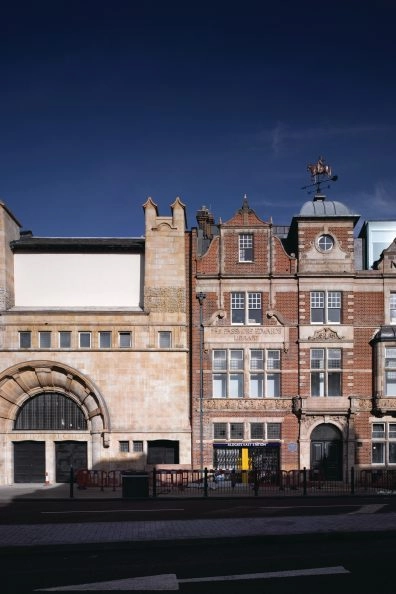
Whitechapel Gallery: for contemporary ideas and new perspectives
Whitechapel Gallery has been part of East London’s cultural landscape since 1901. Its contemporary programme has long connected artists and ideas with the changing cultural life around it.
Rather than offering a permanent survey of famous modern artists, Whitechapel is shaped by exhibitions, commissions, and programmes that change over time. Its 2026 anniversary programme continues that approach, with an emphasis on contemporary art, new work, globally relevant questions, local communities, and voices that have historically been underrepresented.
This makes Whitechapel a good choice for visitors who want contemporary art to feel connected to the city beyond the gallery walls.
There is an important timing note for September 2026. Whitechapel Gallery’s main gallery spaces are currently closed while it prepares its Autumn and Winter season, which opens on 7 October. The Bookshop and café remain available.
Choose Whitechapel for contemporary ideas and East London context, but check its current programme before planning your visit.
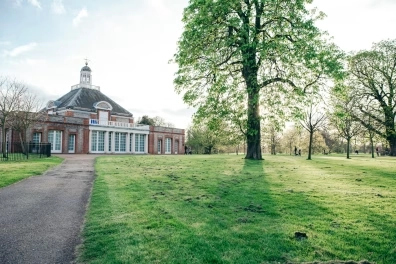
Serpentine: for contemporary art, architecture and the park
Serpentine offers one of London’s most distinctive settings for contemporary art.
Its galleries sit within Kensington Gardens, changing the rhythm of a museum day. Instead of spending hours inside one large institution, you can experience a focused exhibition, return to the park, and let art, architecture, and landscape become part of the same encounter.
September 2026 is a particularly interesting moment to visit. Amar Kanwar’s major solo exhibition opens at Serpentine North on 23 September, bringing together new and existing films in a site specific visual and sonic installation. Serpentine South reopens on 8 October with Justin Caguiat.
The 2026 Serpentine Pavilion by LANZA atelier also remains open until 25 October, giving visitors another way to experience architecture as part of the cultural programme.
Choose Serpentine if you like contemporary art but also want architecture, moving image, landscape, and a more focused gallery experience.
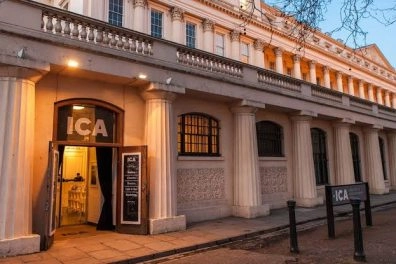
Institute of Contemporary Arts: for experimental contemporary culture
The Institute of Contemporary Arts, usually known as the ICA, approaches contemporary culture across disciplines.
Visual art is part of the story, but so are film, performance, writing, talks, and other forms of cultural production. The ICA describes itself as a leading space for contemporary culture since 1946.
That makes it different from a traditional modern art museum. The attraction is the exchange between forms and ideas.
Its programme also changes quickly. On 29 September 2026, the ICA opens Autumn Knight’s I Can’t Complain, the New York based artist’s first major UK presentation. The exhibition combines a new commission with recent work.
Choose the ICA if your idea of contemporary art extends into performance, moving image, writing, and experimentation, and you want to see where different areas of contemporary culture meet.
Which modern art museum in London should you choose?
There is no useful single answer to the question of the best museum in London for modern art.
Each institution opens a different door.
Choose Tate Modern for the scale of a major international modern and contemporary collection, Tate Britain for British art in historical context, Moco Museum London for recognised modern and contemporary voices in a compact and accessible setting, Whitechapel Gallery for contemporary ideas, Serpentine for art and architecture in a park setting, and the ICA for experimental contemporary culture.
If you have time for more than one, contrast can make the experience richer.
A large museum followed by a smaller one changes how you look. Historical context followed by contemporary experimentation can reveal connections you might otherwise miss. Street art and digital work can sit beside painting, sculpture, film, and architecture without needing to compete for the same definition of what art should be.
This is also why the best art exhibitions in London cannot be reduced to one institution. London’s museum landscape works through difference.
The question becomes less about finding the best museum in London and more about finding the experience that stays with you.
Frequently Asked Questions
About Modern Art Museums in London
What are the best modern art museums in London?
Strong places to experience modern and contemporary art in London include Tate Modern, Tate Britain, Moco Museum London, Whitechapel Gallery, Serpentine, and the Institute of Contemporary Arts. Each offers a different experience, so the right choice depends on the art and atmosphere you want.
What is the best museum in London for modern art?
There is no single modern art museum that suits every visitor. Tate Modern offers the scale and breadth of a major international collection. Tate Britain places modern British art within a longer historical story. Moco Museum London offers a more compact encounter with recognised modern and contemporary voices, street art, and digital and immersive work.
Where can I see Banksy art in London?
Original, authenticated Banksy artworks can be seen at Moco Museum London. Banksy’s work forms part of the permanent but evolving Contemporary Masters presentation, so individual artworks may rotate over time.
Where can I see digital and immersive art in London?
Moco Museum London presents digital and immersive art alongside modern, contemporary, and street art.
Visitors interested in this part of the museum can explore its digital and immersive art experience in London.
Which London art museum is good if I am not an art expert?
You do not need specialist knowledge to enjoy London’s modern and contemporary art museums. Moco Museum London specifically focuses on accessible interpretation and emotionally engaging encounters with art, making it relevant for museum first timers and visitors with lighter art knowledge.
Are modern and contemporary art museums in London free?
Some institutions provide free access to collections or exhibitions, while others require tickets. Access can also vary between permanent displays and temporary exhibitions. Check each museum’s current visitor information before travelling, particularly when planning around a specific exhibition.
Visiting Moco Museum London
Moco Museum London is an independent modern and contemporary art museum presenting modern, contemporary, street, digital, and immersive art in an accessible, more intimate setting.
- Location: Moco Museum London
- Opening hours: Open daily. Hours may vary.
- Accessibility: Check current visitor information before arrival.
- Good to know: Contemporary Masters is permanent yet evolving, and individual artworks may rotate over time.
For more cultural ideas around the city, explore things to do in London.
Why visit?
London’s modern art landscape works because its museums do not all offer the same thing. Monumental collections, British art history, contemporary experimentation, street culture, architecture, film, and digital experiences can all belong to the same city without becoming the same experience.
Moco Museum London adds its own perspective to that landscape: recognised modern and contemporary voices, street art, digital and immersive work, and accessible interpretation brought together on a more intimate scale.
Come with an artist you already know. Leave with another way of looking.