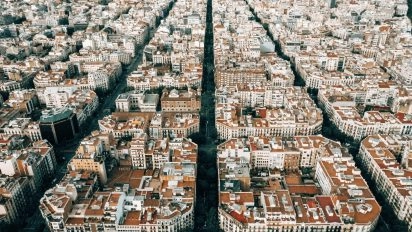
Architecture and Historic Barcelona
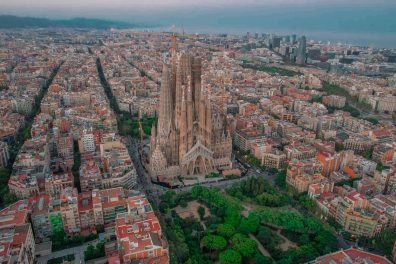
1. Experience the Sagrada Família
The Sagrada Família is one of Barcelona’s most recognisable landmarks and an extraordinary example of Antoni Gaudí’s architectural imagination.
Inside, branching columns and colourful stained glass transform the basilica into a space inspired by nature.
Why it’s worth visiting: The interior reveals how Gaudí connected architecture, light, and symbolism. It is especially rewarding for first-time visitors and architecture enthusiasts.
Allow approximately 1.5–2 hours and reserve a timed ticket in advance.
2. Explore Park Güell
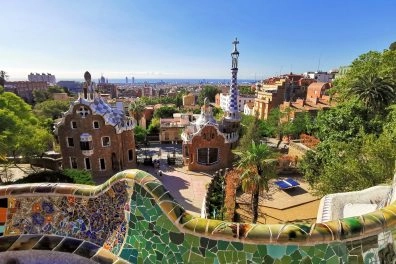
At Park Güell, Gaudí’s imagination extends into the landscape.
Colourful mosaics, organic structures, and terraces overlooking Barcelona create a distinctive meeting point between architecture and nature.
Why it’s worth visiting: It combines an outdoor experience with one of the city’s defining architectural styles.
Allow around two hours. The monumental area requires a ticket, so booking ahead is recommended.
3. Wander Through the Gothic Quarter
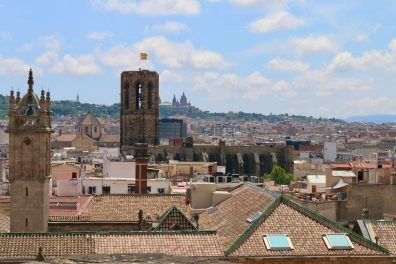
The Gothic Quarter invites visitors to explore Barcelona through its streets rather than a single attraction.
Historic buildings, narrow passages, and atmospheric squares reveal the city’s layered past.
Begin near Barcelona Cathedral, then follow the smaller streets towards Plaça de Sant Felip Neri.
Why it’s worth visiting: It suits travellers who enjoy history, photography, and unplanned discoveries.
Allow at least an hour, ideally without a fixed route.
4. Discover Casa Batlló or La Pedrera
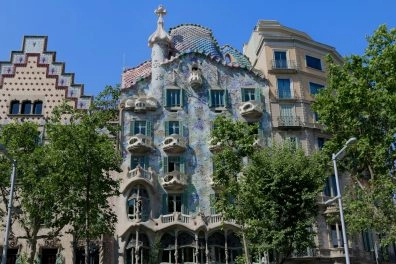
Two of Gaudí’s celebrated buildings stand along Passeig de Gràcia.
Casa Batlló is known for its colourful façade and imaginative interiors. Casa Milà (La Pedrera) reveals a different approach through its sculptural stone exterior and remarkable rooftop.
Why they’re worth visiting: Choose Casa Batlló for colour and storytelling, or La Pedrera for architectural structure and rooftop views.
Both are indoor cultural experiences that work well in a city itinerary.
Art, Museums and Contemporary Culture
5. Discover Modern Art at Moco Museum Barcelona
Barcelona’s artistic identity extends beyond its historic landmarks.
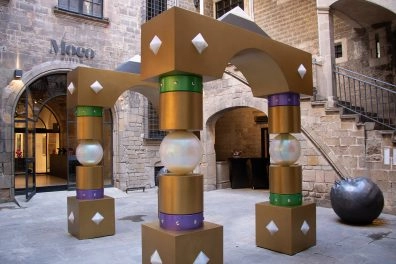
Located inside the historic Palau Cervelló in El Born, Moco Museum Barcelona presents modern, contemporary, digital, immersive, and street art in an accessible setting.
Moco is an independent modern and contemporary art museum with locations in Amsterdam, Barcelona, and London.
Its Modern Masters exhibition introduces influential artists who challenged traditional ideas about art and its relationship with society.
Andy Warhol transformed images from consumer culture and celebrity into Pop Art. Jean-Michel Basquiat combined symbols, language, and expressive marks to explore identity, history, and power. Keith Haring developed a recognisable visual language that connected art with public space and social activism.
Their approaches were different, but each changed how people could experience and understand art.
Modern art is broadly associated with artistic developments from the late 19th to the mid-20th century. Moco connects this legacy with contemporary artistic voices through its wider exhibition programme.
Why it’s worth visiting: Moco offers a focused introduction to influential modern artists alongside contemporary creative expression. It suits art enthusiasts, curious first-time museum visitors, and travellers looking for a cultural experience in El Born.
Allow approximately 60 minutes. Individual artworks may rotate, so check the current exhibition information before visiting.
6. Explore Picasso’s Artistic Development
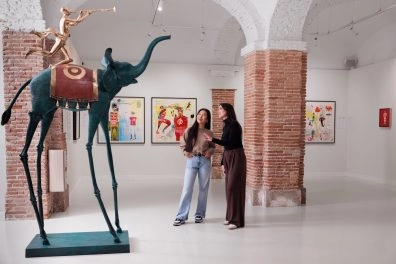
The Museu Picasso reveals the artistic development of one of modern art’s most influential figures.
Its collection places particular emphasis on Picasso’s formative years and his connection with Barcelona.
Why it’s worth visiting: It offers insight into how an artist’s style evolves through experimentation and experience.
The museum is on Carrer de Montcada, making it a natural cultural pairing with Moco Museum Barcelona.
Allow approximately 1–2 hours and consider reserving tickets ahead.
7. Explore Independent Galleries on Carrer de Trafalgar
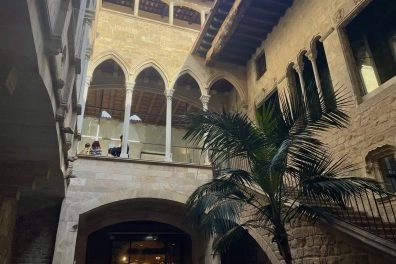
For a different perspective on Barcelona’s art scene, follow a recommendation from the Moco Barcelona team and explore the galleries around Carrer de Trafalgar.
Galería SENDA and Sorondo Projects present opportunities to discover artistic practices beyond major museum collections.
Why it’s worth visiting: Independent galleries connect visitors with the city’s evolving contemporary art community.
This is particularly rewarding for art enthusiasts and repeat visitors. Check individual exhibition schedules and opening hours before going.

Food, Markets and Local Experiences
8. Discover Barcelona Through Its Markets
Barcelona’s food markets offer a glimpse into everyday life.
At Mercat de Santa Caterina, fresh produce and regional ingredients sit beneath a distinctive colourful roof.
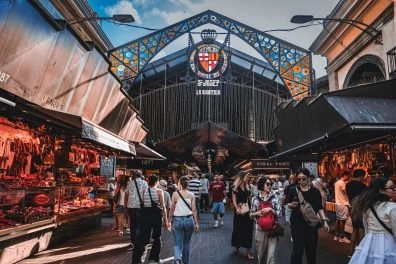
The famous Mercat de la Boqueria is another option, particularly if you’re exploring La Rambla.
Why it’s worth visiting: Markets reveal the ingredients and routines behind local food culture.
Santa Caterina works especially well with a visit to El Born. Visit during market hours and respect the people working and shopping there.
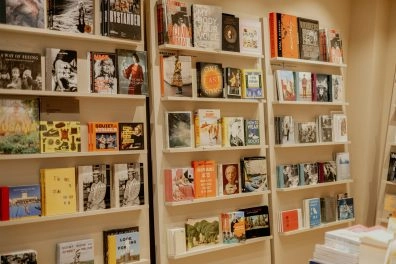
9. Browse Barcelona’s Independent Bookshops
Sometimes the most memorable part of a trip is an unexpected discovery.
The Moco Barcelona team recommends Finestres bookshop, while La Central del Raval offers another destination for visitors interested in literature and culture.
These spaces invite a slower pace, away from the city’s busiest attractions.
Why it’s worth visiting: Bookshops suit curious travellers, readers, and anyone seeking a relaxed cultural stop between museums or neighbourhood walks.
Combine browsing with a coffee nearby and leave room for an unplanned find.
10. Try a Ceramics Workshop in Gràcia
Art is not only something to observe.
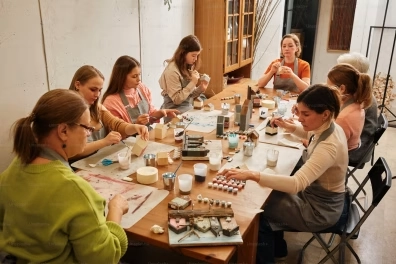
La Torratxa, recommended by the Moco Barcelona team, is a ceramics school in Gràcia offering scheduled classes and creative workshop opportunities.
Working with clay offers a hands-on introduction to the creative process and a different way to engage with Barcelona’s artistic culture.
Why it’s worth visiting: It suits couples, creative travellers, and visitors who prefer participating in an activity rather than following another sightseeing route.
Workshops are scheduled rather than guaranteed walk-in experiences. Check current dates, languages, and reservation requirements before planning your visit.
Viewpoints, Coastline and Neighbourhoods
11. See Barcelona from Montjuïc
Montjuïc offers a change of perspective.
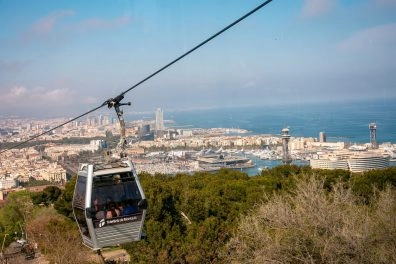
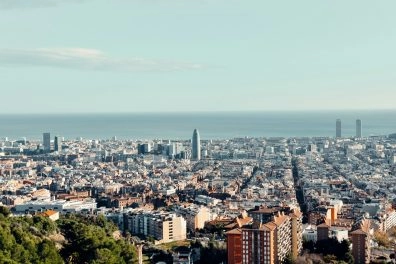
The hillside combines gardens, cultural institutions, historic sites, and viewpoints overlooking Barcelona and its harbour.
Rather than trying to explore everything, choose one or two areas that interest you.
Why it’s worth visiting: Montjuïc combines outdoor exploration with architecture, history, and panoramic views.
Allow at least two hours, longer if you’re including a museum.
12. Walk Along Barceloneta Beach
Barcelona’s relationship with the Mediterranean is an essential part of the city’s character.
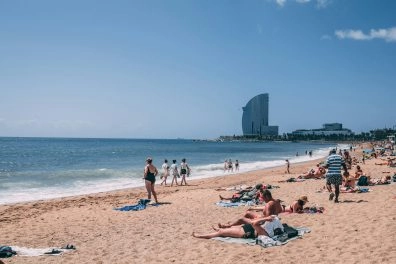
At Barceloneta Beach, visitors can walk along the waterfront, enjoy the coastal atmosphere, or spend time beside the sea.
You don’t need swimming weather to appreciate the coastline.
Why it’s worth visiting: It offers a refreshing contrast to museum galleries and busy historic streets.
Allow an hour for a relaxed walk, or longer if the weather invites you to stay.
13. Experience Neighbourhood Life in Gràcia
Gràcia offers a quieter perspective on Barcelona’s everyday culture.
Its squares, independent shops, and cafés encourage visitors to slow down and explore without a fixed itinerary.
Start around Plaça de la Vila de Gràcia or Plaça del Sol, then follow the streets that catch your attention.
Why it’s worth visiting: Gràcia suits repeat visitors and travellers interested in neighbourhood life beyond the major landmarks.
Allow a couple of hours to wander, browse, and enjoy a local café.
Music and Cultural Experiences
14. Discover the Palau de la Música Catalana
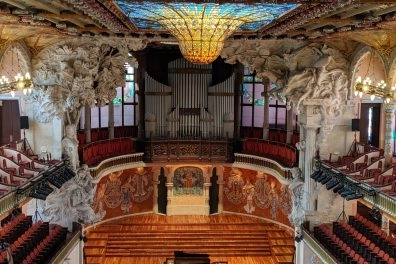
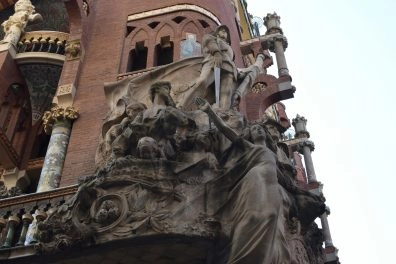
The Palau de la Música Catalana is a remarkable example of Catalan Modernisme.
Designed by Lluís Domènech i Montaner, its concert hall combines stained glass, mosaics, sculpture, and elaborate decorative details.
The Moco Barcelona team includes the Palau among its cultural recommendations.
Why it’s worth visiting: It offers a distinctive architectural experience and an opportunity to discover Barcelona’s musical heritage.
Guided tours last approximately 50 minutes. Booking ahead is recommended.
15. Attend a Concert at the Palau de la Música Catalana
Seeing a historic concert hall is one experience. Hearing music performed inside it is another.
The Palau de la Música Catalana hosts a programme of concerts that allows visitors to encounter its architecture as a living cultural space.
The experience brings together sound, atmosphere, and the building’s extraordinary visual design.
Why it’s worth visiting: A concert offers a memorable evening for music lovers, couples, and travellers looking to experience Barcelona after a day of sightseeing.
Choose a performance that interests you and check the official programme, duration, and ticket availability in advance.
How to Choose the Best Things to Do in Barcelona
For a first visit to Barcelona, prioritise the Sagrada Família, Park Güell, the Gothic Quarter, a local market, and time by the Mediterranean. Add Moco Museum Barcelona for modern art, Montjuïc for panoramic views, and Gràcia for neighbourhood life. Combining different experiences creates a more varied introduction to the city.
| Interest | Experiences to prioritise |
| Architecture | Sagrada Família, Park Güell, Casa Batlló, La Pedrera |
| Art and museums | Moco Museum Barcelona, Museu Picasso, Trafalgar galleries |
| Food and local culture | Santa Caterina Market, independent bookshops |
| Creative activities | Ceramics workshop in Gràcia |
| Outdoor experiences | Montjuïc, Barceloneta Beach |
| Neighbourhood exploration | Gothic Quarter, Gràcia |
| Music and performance | Palau de la Música Catalana |
How to Spend Three Days in Barcelona
DAY
1
Architecture and Gaudí
Explore the Sagrada Família and Passeig de Gràcia. Choose Casa Batlló or La Pedrera, then enjoy an evening in the city centre.
DAY
2
Historic Barcelona and art
Walk through the Gothic Quarter, visit Santa Caterina Market, and explore modern art at Moco Museum Barcelona or the Museu Picasso in El Born.
DAY
3
Views and local life
Discover Park Güell or Montjuïc, spend time in Gràcia, and finish with a walk along Barceloneta Beach.
This itinerary is a starting point rather than a checklist. Barcelona is often most enjoyable when you leave time between activities.
Frequently Asked Questions
What are the best things to do in Barcelona for first-time visitors?
The Sagrada Família, Park Güell, Gothic Quarter, Casa Batlló, Montjuïc, and Barceloneta Beach provide a varied introduction. Add a museum such as Moco Museum Barcelona and a local market to experience the city’s art and food culture.
What can you do in Barcelona besides sightseeing?
Explore independent galleries, join a ceramics workshop, browse local bookshops, discover neighbourhood markets, or attend a concert. These experiences offer ways to participate in Barcelona’s cultural life.
What are the best art museums in Barcelona?
Moco Museum Barcelona presents modern and contemporary art, including its Modern Masters exhibition. Museu Picasso focuses on Picasso’s artistic development, while MACBA explores contemporary artistic practices.
Is Moco Museum Barcelona worth visiting?
Moco Museum Barcelona is a worthwhile option for visitors interested in modern and contemporary art. Its Modern Masters exhibition explores influential artists including Warhol, Basquiat, and Haring, alongside a wider programme of contemporary, street, digital, and immersive art.
What are some less touristy things to do in Barcelona?
Explore independent galleries around Carrer de Trafalgar, browse Finestres or La Central del Raval, visit Gràcia’s neighbourhood squares, or book a ceramics workshop at La Torratxa.
How many days do you need in Barcelona?
Three days provide time for major architectural landmarks, museums, neighbourhoods, markets, and coastal experiences. Two days can still offer a varied introduction if you group activities by area.
Plan Your Visit to Moco Museum Barcelona
| Information | Details |
| Address | Carrer de Montcada 25, El Born, 08003 Barcelona |
| Monday–Thursday | 10:00–19:00 |
| Friday–Saturday | 10:00–20:00 |
| Sunday | 10:00–19:00 |
| Recommended duration | Approximately 60 minutes |
| Exhibitions | Modern Masters, Contemporary Masters, Banksy, Digital & Immersive Art |
| Audio tour | Complimentary; bring your headphones |
| Tickets | Online booking recommended; availability varies by time slot |
Opening hours and individual artworks may change. Check current visitor information before travelling.
Make Time for Art in Barcelona
Barcelona is shaped by people who see the world differently.
From Gaudí’s architecture to the city’s independent galleries, creative expression is part of its identity.
At Moco Museum Barcelona, that spirit continues through modern and contemporary art. Inside the historic Palau Cervelló, internationally recognised artists and new creative voices invite visitors to discover different perspectives on culture and society.
Whether you’re planning a dedicated art afternoon or looking for an inspiring stop in El Born, Moco offers a way to connect with Barcelona’s creative character.
Plan your visit and book Moco Museum Barcelona tickets to experience modern and contemporary art in the heart of the city.