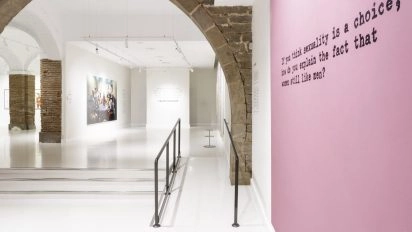
Experience Gaudí and see architecture as art
In Barcelona, architecture refuses to stay in the background.
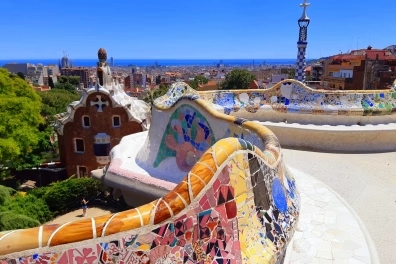
Antoni Gaudí’s buildings are among the clearest examples. Nature becomes structure. Stone seems to move. Colour, ceramics, iron, light, and organic forms turn buildings into experiences that change as you move through them.
Sagrada Família gives you Gaudí at monumental scale. Park Güell opens his visual language into landscape. Casa Batlló and La Pedrera bring it directly into the streets of the Eixample.
You do not need to understand architectural theory to respond to any of them. Look at how columns branch, how surfaces bend, and how light changes a room. Gaudí makes architecture feel physical.
Barcelona’s official tourism organisation describes Modernisme, the Catalan form of Art Nouveau associated with Gaudí and other architects, as a defining part of the city’s architectural identity.
For visitors who would rather make something than only look, Barcelona also offers workshops inspired by Gaudí’s trencadís mosaic technique. That shift from observation to participation changes your relationship with the city’s visual language.
Follow Picasso into El Born
Picasso is inseparable from Barcelona, but his connection with the city becomes clearer when you experience more than the museum.
He arrived in Barcelona as a teenager, studied at La Llotja, and developed within the creative environment of the city. The Museu Picasso is particularly valuable for understanding these formative years and the development behind the artist he would become.
The museum sits within historic palaces on Carrer de Montcada in El Born.
Then step outside.
El Born makes the transition from art history to contemporary Barcelona almost effortless. Medieval streets, workshops, independent businesses, cultural spaces, food, and design coexist within a neighbourhood that rewards wandering.
Just along Carrer de Montcada, the conversation moves forward again.
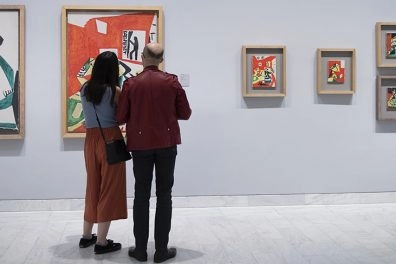
See Barcelona’s contemporary side at Moco Museum
Inside the historic Palau Cervelló, Moco Museum Barcelona offers a contemporary counterpoint to the Picasso story nearby.
Moco Museum Barcelona is an independent modern and contemporary art museum in El Born, presenting modern, contemporary, street, digital, and immersive art inside the historic Palau Cervelló on Carrer de Montcada. Moco Museum also has locations in Amsterdam and London.
This is where Barcelona’s artistic timeline begins to feel less like a timeline.
Modern and contemporary figures such as Andy Warhol, Jean Michel Basquiat, Keith Haring, Banksy, and KAWS sit within a wider programme that also embraces contemporary installations and digital experiences. Moco’s approved Barcelona content establishes this mix of modern icons, contemporary voices, street art, and immersive digital work as central to the museum experience.
The experience adds a different layer to a city strongly associated with Picasso, Miró, and Gaudí. Rather than replacing those histories, Moco brings the conversation closer to contemporary visual culture, street art, technology, identity, popular imagery, and social commentary.
Its scale also makes it practical to combine with the wider neighbourhood rather than treating the museum as an entire day.
For visitors curious about the city’s newer artistic languages, explore Moco as a modern and contemporary art museum in Barcelona.
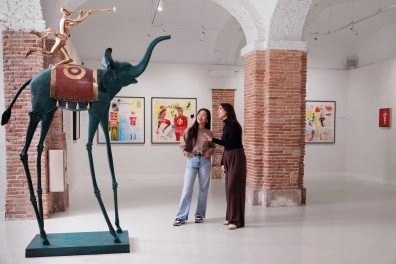
Spend an art afternoon in El Born
El Born is one of the easiest places to experience several layers of Barcelona culture without constantly crossing the city.
Carrer de Montcada creates a particularly interesting contrast. The Museu Picasso looks closely at the formative development of an artist who transformed 20th century art. Moco connects recognised modern figures with contemporary, street, digital, and immersive practices.
Then stop thinking about museums for a while.
Walk.
The architecture of Carrer de Montcada, its courtyards, independent spaces, shops, cafés, and everyday street life make the neighbourhood part of the cultural experience. Nearby, El Born Centre de Cultura i Memòria adds archaeology, history, exhibitions, and cultural programming to the mix.
The value of El Born is the collision. History and contemporary culture sit close enough together that neither feels sealed away.
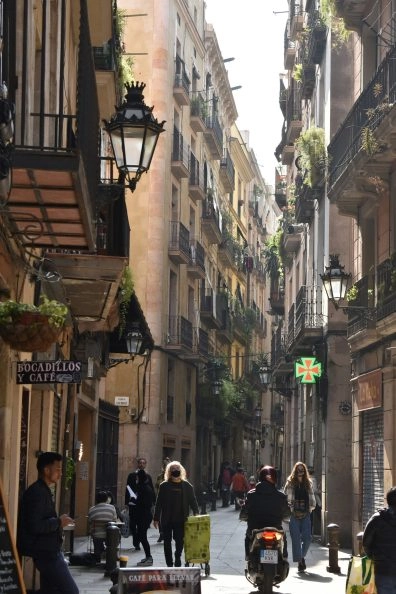
Go to Montjuïc for Miró, landscape and space
If El Born feels dense and layered, Montjuïc opens everything out.
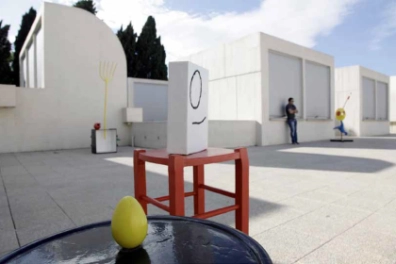
Fundació Joan Miró brings together Miró’s painting, sculpture, drawings, and other work within a building designed by his friend Josep Lluís Sert. Existing approved Moco content describes the museum as giving Miró’s symbols, stars, colours, and surreal inventions space to breathe against the landscape of Montjuïc.
Miró’s relationship with Barcelona also extends beyond the museum. His visual language appears in public space, including his mosaic on La Rambla.
This makes Miró especially rewarding if you like the idea that an artist can belong to a city without being confined to a gallery.
Leave enough time to experience Montjuïc itself. Landscape changes how you experience art too.
Explore contemporary Barcelona in El Raval
For another side of contemporary Barcelona, move into El Raval.
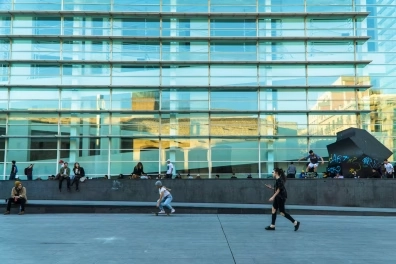
MACBA places postwar and contemporary art within bright architectural spaces. Approved Moco Barcelona content describes its collection through postwar and contemporary voices, from Antoni Tàpies to radical Latin American practices.
Nearby, CCCB approaches culture from a wider angle. Memory, city life, surveillance, identity, and contemporary society enter the conversation through interdisciplinary exhibitions and multimedia work.
Together, these spaces make El Raval useful for visitors who want art to connect with ideas beyond traditional museum categories.
Do not overlook the neighbourhood around them. Barcelona’s visual culture continues through public space, posters, shops, typography, architecture, and the everyday rhythm of the street.
Look for urban creativity in Poblenou
Barcelona’s creative identity does not stop with its historic centre.
Poblenou offers a different urban landscape, shaped by its industrial past and its relationship with design, technology, studios, and contemporary culture.
It provides a useful contrast with Gaudí’s Barcelona or the medieval streets of El Born. Here, creativity is tied to transformation. Former industrial spaces, contemporary architecture, design, urban culture, and creative businesses reveal another way the city keeps reinventing itself.
For an art focused visitor, that contrast matters. Barcelona is not only a city preserving artistic heritage. It is still producing new visual languages.
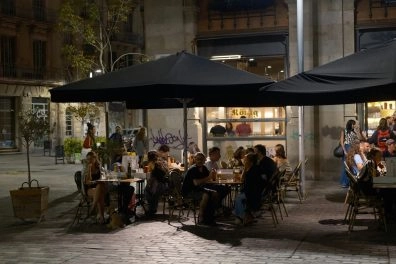
Make something yourself
Looking can only take you so far.
One of the most rewarding art focused activities in Barcelona is to make something, especially if museums are not usually the centre of your travels.
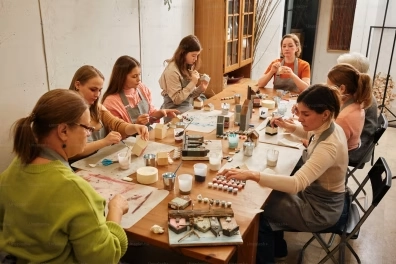
Creative workshops inspired by Barcelona’s artistic traditions can shift the experience from observation to participation. A mosaic workshop based on trencadís, for example, makes you notice decisions about colour, fragments, texture, and composition that are easy to overlook when someone else has already made them.
You do not need to be good at it.
That is not the point.
Making something changes how you look afterwards.
Let food become part of the cultural day
Barcelona art days need pauses.
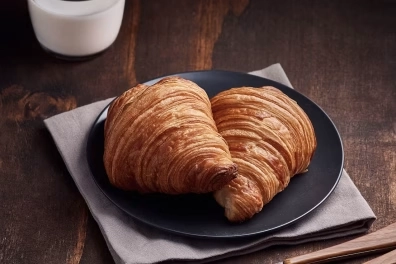
A coffee, pastry, or long lunch is not wasted cultural time. Food is part of how neighbourhoods reveal themselves, and slowing down gives everything you have seen a chance to settle.
Moco staff pick: Alfar
For something sweet, Moco team member Agustina recommends Alfar. It is one of her Staff Top 3 picks, and she especially likes the medialunas because they remind her of home.
The recommendation comes directly from the Moco staff pick provided for this Barcelona briefing. No additional claims about Alfar, its location, menu, or visitor experience have been added.
It is a small recommendation, but that is exactly why it belongs here. Experiencing a creative city is not only about landmark buildings and famous names. It is also about finding the places people who spend their days there return to.
How to plan the best art experience in Barcelona
Do not try to see every important artwork in one visit.
Instead, build your experience around places and contrasts.
For a well rounded Barcelona art experience, combine Gaudí’s architecture with one artist focused experience such as Picasso or Miró, one modern or contemporary art museum, and time in a creative neighbourhood such as El Born, El Raval, or Poblenou.
If you are spending time in El Born, Picasso and Moco can sit naturally within the same neighbourhood experience. If you are heading to Montjuïc, give Miró and the landscape room to breathe. If contemporary culture interests you most, El Raval connects art with ideas, while Poblenou brings design and urban creativity into the picture.
For more ways to build your cultural visit, explore things to do in Barcelona.
Barcelona does not ask you to choose between history and contemporary culture.
The pleasure is seeing them collide.
Frequently Asked Questions
What are the best art focused activities in Barcelona?
Some of the best art focused activities in Barcelona include experiencing Gaudí’s architecture, visiting the Museu Picasso and Fundació Joan Miró, exploring modern and contemporary art at Moco Museum Barcelona and MACBA, walking through creative neighbourhoods such as El Born and Poblenou, and taking part in a creative workshop.
What should an art lover experience in Barcelona?
Combine different periods of Barcelona’s creativity rather than choosing one attraction. Gaudí reveals the city through architecture, Picasso connects you with its modern art history, Miró brings art into dialogue with landscape and public space, and contemporary museums and neighbourhoods show how Barcelona’s visual culture continues to evolve.
What is a good area in Barcelona for an art focused day?
El Born is particularly convenient for an art focused day because the Museu Picasso and Moco Museum Barcelona are both on Carrer de Montcada, with historic architecture, cultural spaces, independent businesses, and food nearby. Montjuïc is another strong option for Miró, museums, architecture, and landscape.
Where can I see modern and contemporary art in Barcelona?
Modern and contemporary art in Barcelona can be experienced at Moco Museum Barcelona, MACBA, Fundació Joan Miró, and other museums, galleries, and cultural spaces across the city. Moco combines modern, contemporary, street, digital, and immersive art in El Born.
Is Barcelona good for visitors who like art but are not experts?
Yes. Barcelona makes art easy to encounter because creativity is visible in architecture, streets, public spaces, museums, and neighbourhoods. You do not need specialist knowledge to notice how Gaudí uses nature, how Miró uses symbols and colour, or how contemporary artists respond to the world around them.
Can I do a creative workshop in Barcelona?
Yes. Creative experiences in Barcelona include workshops inspired by practices such as Gaudí’s trencadís mosaic technique. Availability changes, so check the current programme and booking information directly with the workshop provider before planning your visit.
Visiting Moco Museum Barcelona
Moco Museum Barcelona is an independent modern and contemporary art museum in the historic Palau Cervelló on Carrer de Montcada in El Born, presenting modern, contemporary, street, digital, and immersive art.
Location: Palau Cervelló, Carrer de Montcada, El Born, Barcelona.
Opening hours: Check current opening hours before visiting.
Good to know: Moco’s Barcelona programme includes modern and contemporary artists alongside street art and digital and immersive experiences. Exhibitions and individual works can evolve, so check current exhibition information when planning around a particular artist or artwork.
Reason to visit
Barcelona does not separate art neatly from the rest of life.
It appears in the curves of a building, beneath your feet on La Rambla, inside historic palaces, across contemporary installations, and in neighbourhoods where design and urban culture continue to change the city.
Moco Museum Barcelona adds a contemporary layer to that journey. In historic El Born, modern and contemporary figures, street art, and digital experiences create a counterpoint to the Barcelona of Gaudí, Picasso, and Miró.
Come for the names you recognise. Leave noticing the city differently.