Modern Art Is About More Than a Time Period
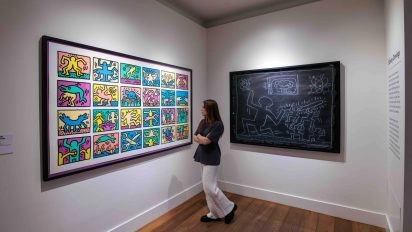
Modern art is often associated with the late nineteenth and twentieth centuries, but its importance lies in more than a set of dates. It changed how artists saw the world and how they invited others to see it.
Instead of reproducing reality, modern artists began experimenting with colour, abstraction, perspective, emotion and new ways of expressing ideas. They questioned conventions and encouraged audiences to see familiar subjects differently.
That spirit of experimentation did not end with the modern period. It continues in contemporary, street and digital art, where artists question inherited ideas and respond to the culture unfolding around them.
To explore the movement, its history and its continuing influence, read What Defines Modern Art?
What Should You Expect From a Great Modern Art Museum?
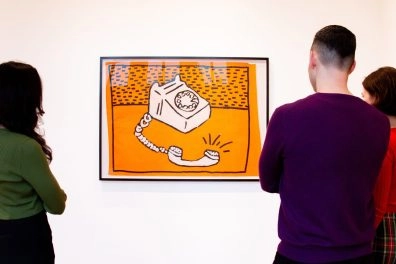
A modern art museum is not only a place where works are preserved. At its best, it creates a meeting point between the artist’s ideas, the world in which the work was made and the person standing before it.
The most memorable museums make art approachable without reducing its complexity. They offer enough context to open a door, but enough space for visitors to form their own response. Iconic artists provide recognition. Emerging voices bring the story forward.
A strong modern art museum also remains attentive to the world outside its walls. Questions of identity, power, technology, consumer culture and social change become visible through artists who observe, resist and reimagine the present.
Above all, a great museum leaves room for curiosity. Whether you know the language of modern art or are encountering it for the first time, you should leave with more understanding, more feeling and at least one question you did not arrive with.
How Amsterdam’s Art Museums Differ
One of Amsterdam’s greatest strengths is that there is not just one way to experience art.
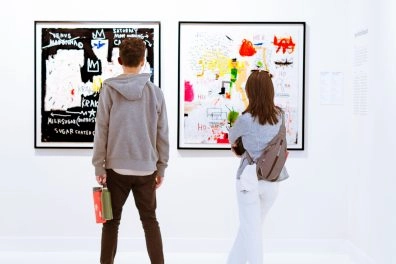
Amsterdam’s major art museums answer different kinds of curiosity. The Rijksmuseum places art within the wider story of Dutch history, bringing paintings, decorative arts and cultural heritage together across centuries. It is not primarily a modern art museum.
The Van Gogh Museum follows the life and artistic development of Vincent van Gogh through a museum devoted to his work and legacy. Van Gogh helped shape the transition towards modern art, but the museum is centred on one artist rather than modern art as a broad field.
The Stedelijk Museum approaches modern and contemporary art through a broad institutional collection, with an emphasis on art movements and design history.
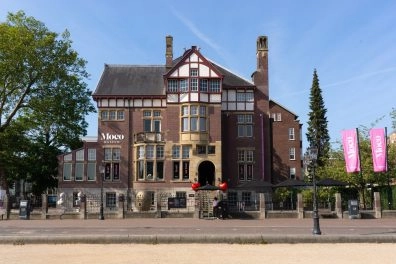
Moco Museum Amsterdam brings Modern Masters into conversation with contemporary, street, digital and immersive art, connecting influential names with emerging voices. Rather than organising the experience around a single timeline, Moco approaches art through ideas, emotion and cultural relevance.
These museums do not tell the same story, and they are not designed to create the same experience. Together, they show how Museumplein, also known as Museum Square, can hold many versions of art history within a few minutes’ walk.
What Defines the Moco Museum Experience?
At Moco Museum Amsterdam, modern art is not treated as a closed chapter. It becomes the starting point for a wider conversation about contemporary culture, public space, technology and the way images shape our lives.
The name Moco brings together MOdern and COntemporary. It reflects the museum’s focus on modern art and the ways its ideas continue through contemporary, street, digital and immersive practices.
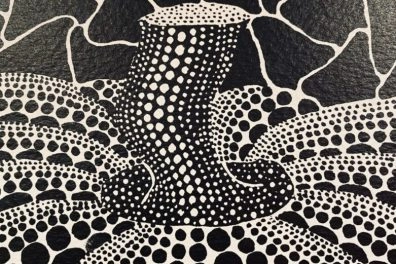
The experience is shaped by artists whose visual languages are widely recognised, but whose ideas still reward a closer look. Banksy turns satire into social critique. Keith Haring used the accessibility of public imagery to communicate activism, urgency and hope. Andy Warhol exposed the strange intimacy between art, celebrity and consumer culture. Jean-Michel Basquiat brought identity, history and power into a visual language that still feels immediate. Yayoi Kusama transforms repetition, pattern and infinity into intensely personal encounters with perception and space.
Together, these artists show why modern art remains alive in the present. Their work is joined by contemporary and emerging voices, allowing familiar icons to sit beside ideas that are still taking shape.
Digital and immersive installations expand that conversation beyond the frame. Light, reflection, sound and spatial design make the visitor part of the encounter, shifting art from something viewed at a distance into something felt from within.
The museum’s intimate scale shapes the rhythm of the visit. An average experience takes around 60 minutes, giving first-time museum visitors an approachable way into modern art while leaving space for discovery, reflection and conversation.
Its location on Museumplein places Moco within Amsterdam’s best-known museum district, yet its perspective remains distinct. Visitors can move from Dutch history or a single artist’s life into a museum experience centred on modern culture, contemporary questions and immersive art.
Is Moco Museum the Right Modern Art Museum for You?
Moco Museum may suit you if you want modern art to feel immediate rather than distant, and if you value an experience that connects recognisable artists with the questions, technologies and visual culture of the present.
Moco may be the right choice if you are looking for:
- An accessible introduction to modern and contemporary art without academic barriers.
- Influential artists such as Banksy, Keith Haring, Andy Warhol, Jean-Michel Basquiat and Yayoi Kusama, explored through ideas that remain culturally relevant.
- Digital and immersive installations that expand how art can be seen, felt and experienced.
- A focused museum experience that takes approximately 60 minutes on average.
- An independent modern art museum on Museumplein that can be experienced on its own or alongside Amsterdam’s neighbouring art institutions.
The most useful question is not which museum wins, but which museum speaks most clearly to what you want from art. Amsterdam offers museums devoted to national history, individual artists, design movements and modern culture. Moco’s place within that landscape is clear: an independent modern art museum where iconic names, emerging voices and immersive experiences meet the world as it is now.
Frequently Asked Questions
Modern Art Museums
What is a modern art museum?
A modern art museum presents art shaped by the experimentation and new ideas of the modern period. Some, including Moco Museum Amsterdam, connect that legacy with contemporary, street, digital and immersive art to show how modern art continues to influence culture today.
Which modern art museum should I visit in Amsterdam?
The right Amsterdam museum depends on the experience you want. The Stedelijk approaches modern and contemporary art through movements, design history and a broad institutional collection. Moco Museum Amsterdam is an independent modern art museum focused on iconic artists, emerging voices, contemporary culture and digital and immersive experiences.
What is the difference between Moco Museum and the Stedelijk Museum?
Both museums present modern and contemporary art, but their approaches differ. The Stedelijk Museum is structured around a broad institutional collection, art movements and design history. Moco Museum Amsterdam centres its experience on influential artists, emerging voices, contemporary culture and immersive encounters.
Discover Modern Art at Moco Museum Amsterdam
Modern art began by questioning familiar ways of seeing. Its most powerful museums keep that question alive. They do not simply preserve what changed art in the past. They create space for those ideas to meet the present.
Moco Museum Amsterdam brings that idea to Museumplein as an independent modern art museum where modern masters, contemporary voices, street art and digital and immersive experiences exist in conversation. The result is art that feels close enough to question, personal enough to remember and relevant enough to carry back into the city.
Plan your visit and experience modern art at Moco Museum Amsterdam.