Street Art in Barcelona: Outdoors vs Museums
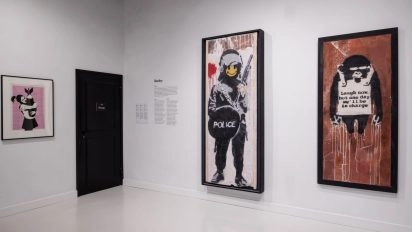
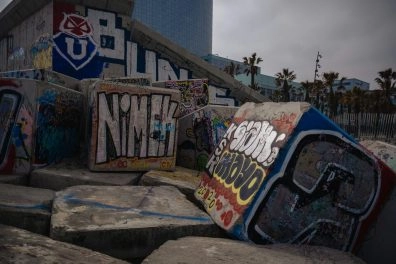
Street art in Barcelona exists in two complementary forms.
Outdoor street art
- Constantly changing and evolving
- Often tied to specific neighbourhoods or political moments
- Created directly in public urban spaces
- Sometimes removed, painted over, or temporary
Street art in museums
- Curated and preserved works
- Contextualised within modern and contemporary art history
- Accessible year-round in a stable setting
- Allows visitors to see multiple artists in one place
Together, these two worlds reveal how graffiti and urban art move between public space and cultural institutions.
Where to Discover Street Art in Barcelona
Street art has long been part of Barcelona’s creative identity. Since the late twentieth century, graffiti culture, stencil art, and mural painting have shaped the visual language of many neighbourhoods.
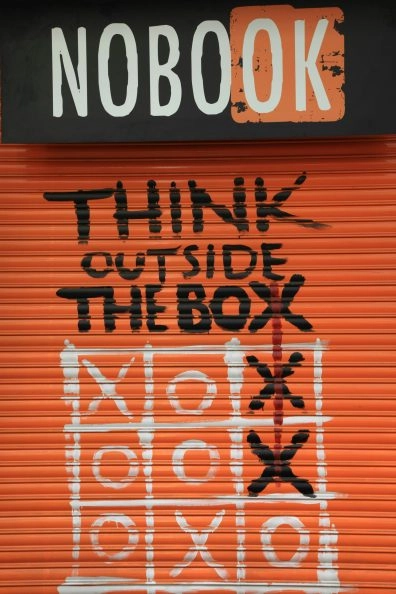
Areas like El Raval, Poblenou, and parts of the Gothic Quarter are known for their vibrant street art scenes. Walls become temporary galleries where artists experiment with bold colour, political commentary, humour, and symbolism.
For visitors interested in urban culture, the city offers everything from outdoor murals to curated experiences such as a museum of street art in Barcelona or a street art gallery in Barcelona presenting internationally recognised urban artists.
In these spaces, street art reflects the pulse of the city itself. Messages appear overnight. Murals evolve. Layers of paint replace older works.
This ephemerality is part of graffiti’s power. Yet it also means that outdoor street art can be unpredictable. Works may disappear quickly due to weather, city regulations, or new murals painted on top.
For visitors interested in street art in Barcelona, this makes exploring both the streets and museums an important part of understanding the movement.
Can You Visit a Dedicated Street Art Museum in Barcelona?
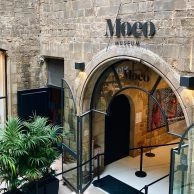
Yes. Visitors interested in urban art can explore a curated street art museum in Barcelona at Moco Museum Barcelona, located in the historic Palau Cervelló in El Born.
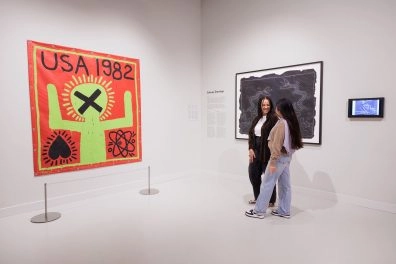
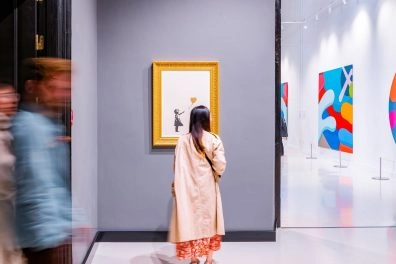
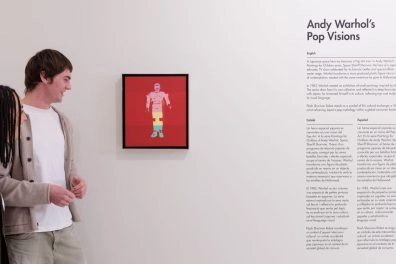
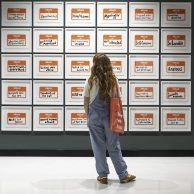
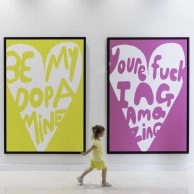
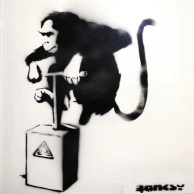
Inside the museum, street art and contemporary urban artists appear alongside modern masters. Exhibitions include works by internationally recognised artists such as Banksy, Jean-Michel Basquiat, and Keith Haring.
Through exhibitions like:
- Banksy
- Modern Masters featuring Basquiat and Haring
- Contemporary Masters showcasing global contemporary artists,
the museum places street art within a wider cultural conversation.
Visitors looking for a street art museum in Barcelona can explore this curated environment where graffiti culture meets modern and contemporary art history.
Now on view in Barcelona

Why Experience Street Art in a Museum Setting?
Street art began as an act of public expression. Graffiti writers and urban artists claimed walls as spaces for creativity, protest, and identity.
Inside a museum, these works gain a different perspective.
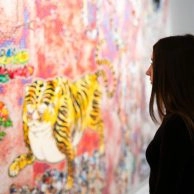
A museum setting allows visitors to see original works by artists who helped shape the movement. Pieces that might otherwise disappear outdoors can be preserved, studied, and experienced in a new context.
Bringing street art into a curated space also reveals the connections between graffiti, contemporary art, and wider cultural themes. Visitors can explore how artists respond to politics, identity, media culture, and urban life.
Another advantage is accessibility. Outdoor murals can be scattered across the city and change frequently, while a museum allows visitors to see multiple artists and works together in one place.
For those curious about urban art, a street art museum offers both context and continuity. Seeing these works inside a museum does not replace the street. Instead, it reveals how the same visual language can move between rebellion and reflection.


Plan Your Visit to a Street Art Museum in Barcelona
Street art in Barcelona can be discovered on many walls across the city. Yet seeing it inside a museum provides another layer of understanding.
At Moco Museum Barcelona, visitors encounter internationally recognised street artists within curated exhibitions that explore modern and contemporary culture. The museum sits in the creative neighbourhood of El Born, itself surrounded by historic streets, galleries, and cultural spaces.
Exploring the area reveals how Barcelona blends past and present, from medieval architecture to contemporary urban art.
If you are interested in street art, graffiti culture, or contemporary urban artists, visiting a street art museum offers deeper insight into the ideas and voices shaping the movement today.
Tickets for the street art museum in Barcelona at Moco Museum Barcelona can be reserved online through the official ticketshop.
Frequently asked questions about street art museums in Barcelona
Is there a dedicated street art museum in Barcelona?
Yes. Barcelona offers a dedicated street art museum experience at Moco Museum Barcelona. The museum presents works by internationally recognised urban artists including Banksy, Jean-Michel Basquiat, and Keith Haring, placing street art within the broader context of modern and contemporary art exhibitions.
Where can you see graffiti art in Barcelona?
Graffiti art can be found throughout Barcelona, particularly in neighbourhoods such as El Raval, Poblenou, and parts of the Gothic Quarter. These areas are known for murals, stencil art, and evolving street artworks that reflect the city’s creative culture and social commentary.
What artists represent street art in museums?
Many influential street artists are now represented in museums around the world. Artists such as Banksy, Jean-Michel Basquiat, and Keith Haring helped bring graffiti and street culture into dialogue with contemporary art institutions and museums.
How do you visit a street art museum in Barcelona?
Visitors can experience street art in a museum setting by visiting Moco Museum Barcelona in the El Born district. Visitors can reserve entry through the official Moco Museum website or purchase tickets on arrival, depending on availability.