Understanding modern art museums and their role today
Modern art emerged between the late nineteenth century and the mid twentieth century, shaped by industrialisation, new technologies, and shifting social structures. Artists began to question realism, hierarchy, and tradition, choosing experimentation and personal perspective instead.
A modern art museum in Amsterdam brings these ideas together in a way that feels immediate. Rather than strict timelines, modern art museums often focus on ideas, emotions, and context. You are invited to move through art intuitively, noticing how each work reflects a moment of rupture or renewal.
Amsterdam has long been a city that welcomes new ways of seeing. From its historic role as a cultural crossroads to its contemporary creative scene, the city provides fertile ground for modern art to continue evolving and resonating.
Key movements that shaped modern art
Modern art is not a single style but a series of responses to a changing world. In any modern art museum in Amsterdam, you can trace how artists repeatedly challenged expectations.
Impressionism captured fleeting light and atmosphere, valuing perception over precision.
Expressionism prioritised inner emotion, allowing distortion to speak more honestly than accuracy.
Cubism broke reality into fragments, asking viewers to hold multiple viewpoints at once.
Surrealism turned toward dreams and the subconscious, revealing the logic beneath the irrational.
Pop Art later reflected mass media and consumer culture, collapsing the distance between everyday life and fine art.
These movements still shape how we look today. They remind us that modern art began as an act of questioning, one that continues inside every modern art museum in Amsterdam.



Modern art versus contemporary art
The difference between modern art and contemporary art often causes confusion. Modern art refers to a historical period of innovation, while contemporary art reflects the present moment and its questions.
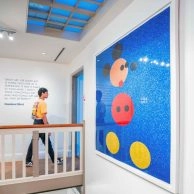
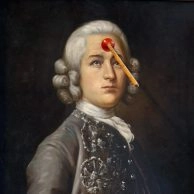
Moco Museum intentionally bridges both. As a modern contemporary museum in Amsterdam, it shows how modern art laid the foundations for today’s artistic voices. The distinction matters for context, but emotionally, both forms ask similar things of us: to look again, to question norms, and to remain open.
Experiencing modern art in Amsterdam
Moco Museum Amsterdam is a modern art museum in Amsterdam where visitors explore iconic modern artworks alongside immersive and contemporary experiences.
Modern art is best understood in person. Scale, texture, colour, and atmosphere shift how a work is felt. Walking through Moco Museum Amsterdam, modern art unfolds in spaces designed to feel human in scale and open in interpretation.
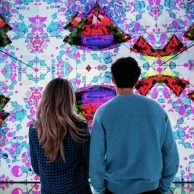
Rather than explaining what to think, the museum allows room for response. Visitors move between iconic works and immersive environments, discovering how modern art can be playful, confronting, or quietly reflective.
Why Moco Museum is one of the best modern art museums in Amsterdam
Moco Museum is often considered one of the best modern art museums in Amsterdam {link to: blog post or location homepage} because it balances intimacy with impact. Its modern art line-up includes permanent exhibitions that anchor the collection, alongside evolving presentations that keep the experience fluid.
Interactive and immersive elements invite participation rather than distance. For visitors new to museums, and for those returning with curiosity, Moco offers an entry point that feels welcoming rather than imposing.
To explore a modern art museum in Amsterdam where connection comes before convention, experiencing the collection at Moco Museum Amsterdam is a natural place to begin. Many visitors choose to plan their visit in advance, allowing space to engage with the artworks at their own pace and return to the ideas long after leaving the museum.
Modern artists at Moco Museum Amsterdam


Modern art comes into focus through artists whose work still feels urgent. Inside this modern art museum in Amsterdam, visitors encounter voices that reshaped visual culture and continue to influence how we understand identity, power, and perception.
Andy Warhol transformed repetition and celebrity into mirrors of society’s obsessions.
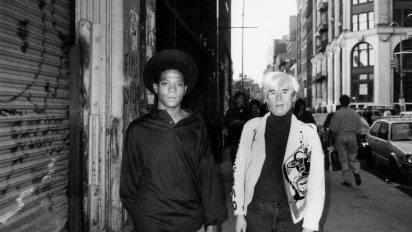
Jean-Michel Basquiat brought raw energy and social commentary into the gallery, refusing polish in favour of truth.
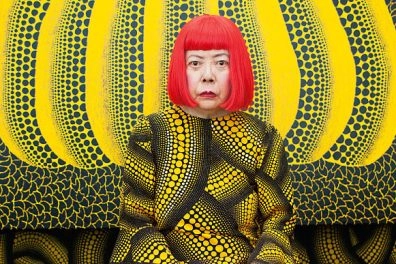
Yayoi Kusama uses pattern and infinity to explore selfhood, vulnerability, and control.
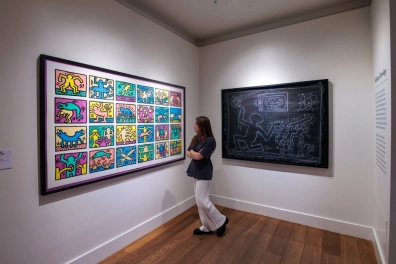
Keith Haring created an accessible visual language rooted in activism, movement, and public space.
Seen together at Moco Museum Amsterdam, these artists show how modern art remains a living conversation rather than a finished story.
Practical Information
-
Opening Hours
Monday – Thursday: 09:00 – 18:00
Friday – Saturday: 09:00 – 20:00
Sunday: 09:00 – 18:00
-
Duration
A visit to Moco Museum Amsterdam takes approximately 60 minutes.
-
Location
Honthorststraat 20, Museumplein (Museum Square). Next to the Van Gogh Museum.
Get directions via this link. Find a parking space at Q-Park Museumplein.
-
Contact
Email us at [email protected] or visit our contact page.
-
Audio Guide
Free audio tour, bring your headphones.
-
About
Moco Museum Amsterdam is an independent modern art museum presenting modern, contemporary, digital and immersive art by iconic artists including Banksy, Warhol, Basquiat, and Kusama, making art accessible and relevant.
-
Accessibility
Moco is housed in a protected historic building with narrow staircases. Unfortunately, wheelchairs, mobility scooters, strollers and buggies cannot be accommodated.